Septic engineering costs vary based on system type, lot complexity, and county requirements. Conventional system designs are generally less expensive than alternative or engineered systems. Contact us for a project-specific quote — we'll assess your soil data and lot conditions to provide an accurate estimate.
Permit-Ready Engineering
Professional Septic System
Professional Septic System
Design & Permitting
Custom septic engineering for every lot. We design the most cost-effective system the soil allows.
Custom Septic Designs for Maricopa County & Phoenix Metro Properties
Simple gravity systems where possible; engineered solutions where necessary.
Type 4.02
Conventional Systems
The "Fast & Simple" choice. Ideal for properties with good percolation rates. Lowest installation cost and minimal maintenance.
- Standard Gravity Systems
- Chamber Systems (Infiltrator)
- Cost-Effective
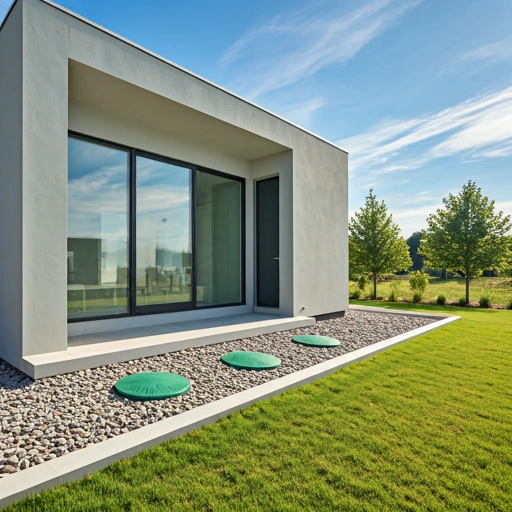
Type 4.03+
Alternative & Engineered
The "Problem Solver" choice. Advanced solutions for difficult terrain, rocky soil, steep slopes, or small lots.
- Aerobic Treatment (ATU)
- Advanced Pre-Treatment
- Eljen & Drip Systems

Fast-Track Permitting Process
01
Percolation Test & Soil Evaluation
On-site analysis to determine soil absorption rates and system requirements.
02
System Design
Creation of detailed site plans tailored to your lot and local codes.
03
NOID Submission
We file the Notice of Intent to Discharge with the county environmental services.
04
Permit Approval
Receive your construction authorization. Ready to build.
Arizona Septic Design FAQ
Permitting timelines depend on system type and county review workload. Standard conventional systems (Type 4.02) typically move through review faster than alternative systems. Our fast-track process is designed to minimize delays, with most NOID submittals prepared within days of completed soil testing.
Conventional septic systems (Type 4.02) use gravity-fed drainfields — chambers, rock trenches, or seepage pits — and work best with good soil percolation. Alternative systems (Type 4.03+) use advanced treatment technology like aerobic units or sand filters for properties with poor soil, steep slopes, high groundwater, or small lots. We always design the simplest, most cost-effective system your soil allows.
Yes. A percolation test and site evaluation are required before septic system design can begin. The soil data determines absorption rates, which dictate whether a conventional or alternative system is needed and how the drainfield should be sized. We offer both soil testing and design services for a streamlined process.